

 See My Latest Article on HelloNation
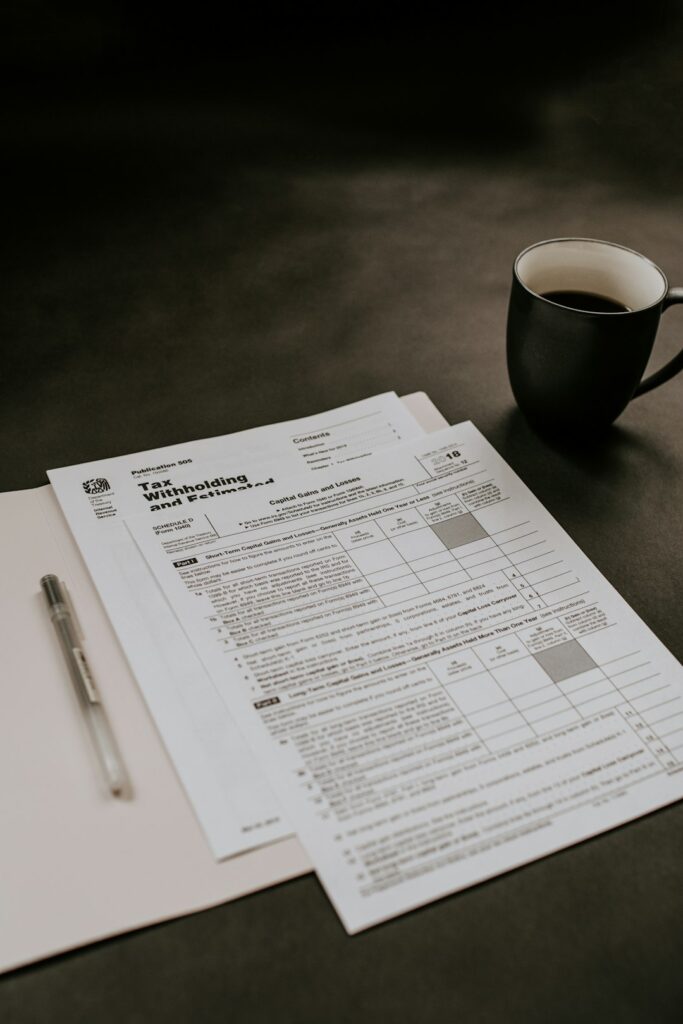
What Are the Most Frequent Tax Filing Mistakes in Franklin, IN?
The most common errors Franklin, IN individuals make when filing taxes involve misreporting income, incorrect Social Security numbers, and missing deadlines. Residents sometimes overlook income from part-time jobs, side work, or freelance labor, which must be reported even if no tax document was provided by the payer. Transposing Social Security digits or failing to match IRS records causes significant delays in processing. Missing the April tax deadline is another typical error, leading to penalties and interest.
How Can Area Households Keep Track of Income Throughout the Year?
Diligent income tracking is essential in the community, especially for those with multiple jobs or self-employment income. Area households benefit from using a notebook, spreadsheet, or secure digital app to record pay details, cash jobs, gig work, or occasional labor.
- Save every pay stub and 1099 form received – not just W-2s from primary employers.
- Document cash payments for babysitting, landscaping, or local odd jobs, as these are still taxable.
- Retain records from online platforms and mobile payments.
By keeping good notes and organizing income documents early, local filers are less likely to overlook important information at tax time.
Why Is Double-Checking Personal Information So Important?
Errors in names, addresses, or Social Security numbers prevent the IRS from matching tax returns with individual records. Double-checking this information is a simple way to avoid long delays or rejected returns.
Franklin residents should always:
- Refer to Social Security cards for accurate spelling and number sequences.
- Update address information with the IRS and Indiana Department of Revenue after any move.
- Ensure children or dependents listed have the correct Social Security details.
Mismatches are especially common when household members have changed names due to marriage or divorce, so reviewing all paperwork closely makes a difference.
How Can Local Residents Avoid Missing Deductions and Credits?
Even filers with simple returns miss out on eligible deductions or credits due to lack of awareness or documentation. Commonly missed items in the area include the Indiana Homestead Deduction for homeowners, education credits for qualified college costs, and work-related expenses not reimbursed by employers.
Strategies that help local families:
- Collect receipts for eligible purchases, such as classroom supplies for teachers or job search expenses.
- Review Indiana-specific credits and deductions with every return.
- Ask about credits for dependents, child care costs, or retirement savings if any life changes occurred in the last year.
Careful record-keeping and a basic checklist can prevent costly oversights.
What Steps Should Be Taken to Prevent Math and Calculation Errors?
Math mistakes happen both when filing on paper and with digital software. Transferring numbers incorrectly or mistyping even a single digit can result in incorrect refund amounts or a balance due.
Franklin area filers can improve accuracy by:
- Using reliable tax preparation tools that perform automatic calculations.
- Checking each line for accuracy before submitting – this review is most important when preparing by hand.
- Matching numbers to supporting documents, such as W-2s or 1099s, rather than relying on memory.
Slowing down and rereading every figure helps catch small mistakes early.
How Do Filing Methods Influence the Likelihood of Errors?
Many in the community are shifting to electronic filing, which the IRS and state agencies process faster and more accurately than paper forms. Electronic systems prompt users to correct missing information before submission, while mailed returns may be rejected for incomplete sections.
Residents keeping to paper forms should:

- Ensure every section is filled out legibly and completely.
- Avoid using pencils or erasable ink, and sign the form where required.
- Double-check mailing addresses and delivery with adequate postage.
Electronic filing is generally less error-prone, but reviewing each section remains crucial.
What Should Households Know About Filing Deadlines and Payment Dates?
Missing IRS and Indiana state deadlines results in automatic fines and possible interest charges. April 15 is the usual filing date, but if the 15th falls on a weekend or holiday, the deadline may shift slightly.
Franklin households can:
- Put reminders on phones or calendars for both federal and state due dates.
- Submit returns early to reduce the risk of last-minute problems.
- Remember that requesting an extension grants more time to file, but tax payments are still due by the original deadline.
Planning ahead lowers financial risk.
Are There Local Factors That Increase Risks for Certain Tax Mistakes?
Franklin residents may face specific situations that contribute to tax filing challenges:
- Seasonal work, agriculture, and small family-owned farms create unique income reporting needs, as multiple pay sources may not provide traditional documentation.
- Many area households claim deductions for homeowner expenses or energy improvements; these require saving receipts year-round.
- College students and their families must track tuition and scholarship documents.
Being aware of these community patterns helps residents better prepare documentation and avoid common oversights.
What Happens If a Mistake Is Discovered After Filing?
If an error is found after a tax return is submitted, corrections can be made by filing an amended return using Form 1040-X for federal taxes (and the corresponding state form for Indiana taxes). Local residents should act as soon as mistakes are found, as timely corrections limit the risk of penalties or delays in refunds.
Mistakes sometimes come to light after the IRS sends a notice or requests additional information. Keeping all records for at least three years helps in responding quickly and accurately to any questions that arise.