

 See My Latest Article on HelloNation
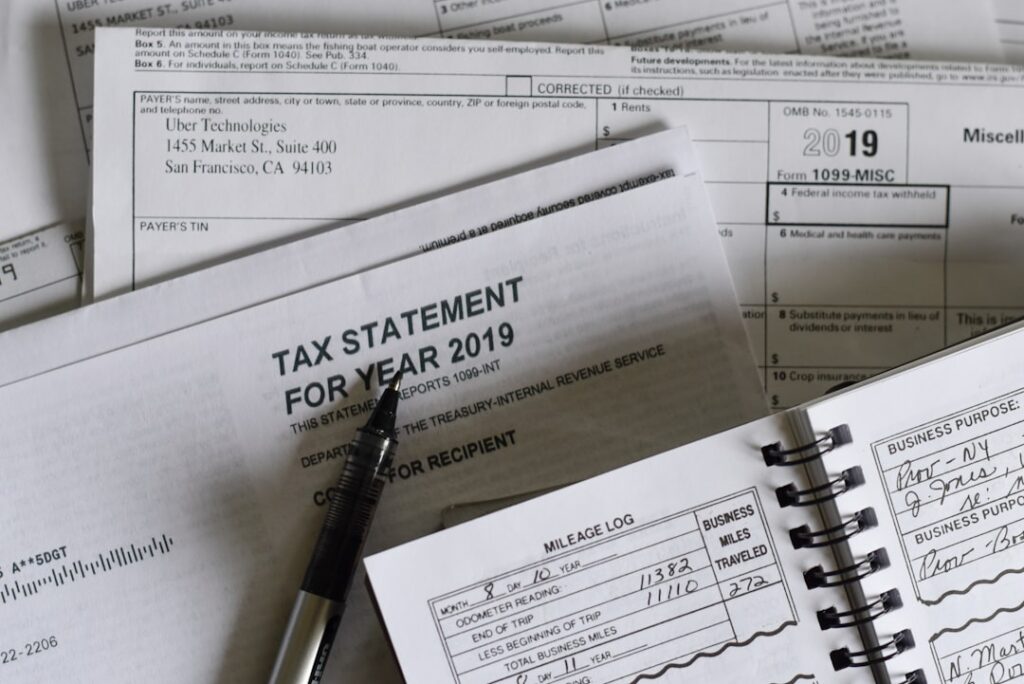
What Happens to Taxes When You Switch Jobs?
Switching jobs can change how income taxes impact your year, but careful handling keeps surprises at bay. Locally, area households often see adjustments in withholdings, paperwork, and tax filing steps.
Leaving one employer and joining another in the same tax year often results in multiple W-2 forms. Each employer only tracks and withholds income tax for the time you worked there. Over- or under-withholding can easily happen if both don't have the big picture.
How Do You Handle Multiple W-2s at Tax Time?
You must wait until you receive all W-2 wage statements before filing your return. Every employer from the previous calendar year issues a separate W-2, usually by late January. When reporting income, enter wage and tax information from each W-2 to ensure your return is complete and accurate.
For example:
- If you worked at two jobs for six months each, you could have two W-2s, each with different amounts withheld.
- Add together all wages and withheld taxes to determine your total income and credits for the year.
Missing a W-2 can lead to an incomplete or incorrect tax filing, which may create delays or require submitting an amended return.
What Should You Check on Your New Job’s W-4?
Upon starting a new job, you must fill out a new IRS Form W-4. This form tells your new employer how much federal tax to withhold.
For the most accurate withholding:
- Review your filing status and dependents carefully.
- If you have more than one job or a spouse with a job, use the IRS Tax Withholding Estimator.
- Adjust more or less withholding if you received a big refund or tax bill in the last year.
Many community members overlook that life changes—like moving, marriage, or having a child—should also prompt a review of your W-4. Double-checking this form when you start work can prevent unpleasant surprises during tax season.
What Happens to Your State and Local Taxes?
All residents need to file and pay Indiana state income tax. Any job change in Franklin affects state taxes too.
Key points for local households:
- Each employer withholds state and local tax as a percentage of your earnings.
- If you work any part of the year in surrounding counties, pay close attention to your local (county) withholding displayed on your W-2.
- When changing jobs, confirm your new employer correctly lists your county of residence and workplace.
A common misconception is that moving within Indiana automatically updates tax withholding for you. In reality, you must verify your employer records the correct county for accurate local income tax deductions.
How Does Unemployment Income Affect Taxes?
If there’s a gap between jobs, you might receive unemployment benefits. Many do not realize these benefits are considered taxable income for federal and state returns.
- Unemployment payments do not automatically withhold federal taxes unless you request it.
- You will receive a Form 1099-G stating the total unemployment compensation received.
- It’s wise to set aside funds for taxes on these payments to avoid an unexpected federal or state bill.
What About Benefits Like HSAs and Retirement Plans?
Switching jobs often changes access to workplace benefits. Health Savings Accounts (HSAs) and retirement accounts like 401(k)s can carry unique tax implications:
- Contributions to an old employer’s plan likely end, and you may need to decide what to do with existing funds.
- You can generally roll over a 401(k) to a new employer’s plan or an Individual Retirement Account (IRA) without early withdrawal penalties if handled correctly.
- Failing to roll over properly can result in taxable distributions.
- HSAs may remain open after you leave your job; you own the funds and can use them tax-free for qualified expenses.

Keeping track of all benefit changes helps avoid overlooked tax consequences.
How Do Job Switches Impact Estimated Taxes or Other Tax Payments?
Some residents begin freelance, gig, or self-employed work between jobs or alongside new employment. These earnings may not have taxes withheld at all.
If you make significant non-payroll income, consider:
- Making quarterly estimated tax payments to the IRS and Indiana Department of Revenue.
- Tracking all sources of income, even if you only worked short-term or part-time.
- Checking whether your new employer’s withholding covers your expected total liability.
For many in the community, estimated taxes become relevant only after extra earnings from side jobs or self-employment exceed $1,000 in annual tax liability.
Are There Local Tax Credits or Deductions Worth Remembering?
Standard federal and Indiana deductions remain accessible regardless of how many jobs you change in a year. However, changes in household income or withholdings can affect eligibility for certain credits:
- Earned Income Tax Credit (EITC) – your total income across all jobs will determine eligibility.
- Childcare and education-related credits may be impacted by employer benefit offerings at your new job.
Always review your annual tax situation holistically, not just job-by-job.
Common Missteps Local Residents Should Avoid
Switching jobs doesn’t always seem complex, but these pitfalls often trip up local taxpayers:
- Forgetting income from short-term or part-time jobs if they seem minor.
- Not updating your W-4, leading to too much or too little withholding.
- Assuming state and county withholding automatically adjust when you move or switch jobs.
- Leaving HSA or retirement funds inactive, which risks confusion or missed opportunities in the future.
Staying organized—keeping all forms and double-checking employer records—helps area households handle tax season smoothly regardless of career changes.