

 See My Latest Article on HelloNation
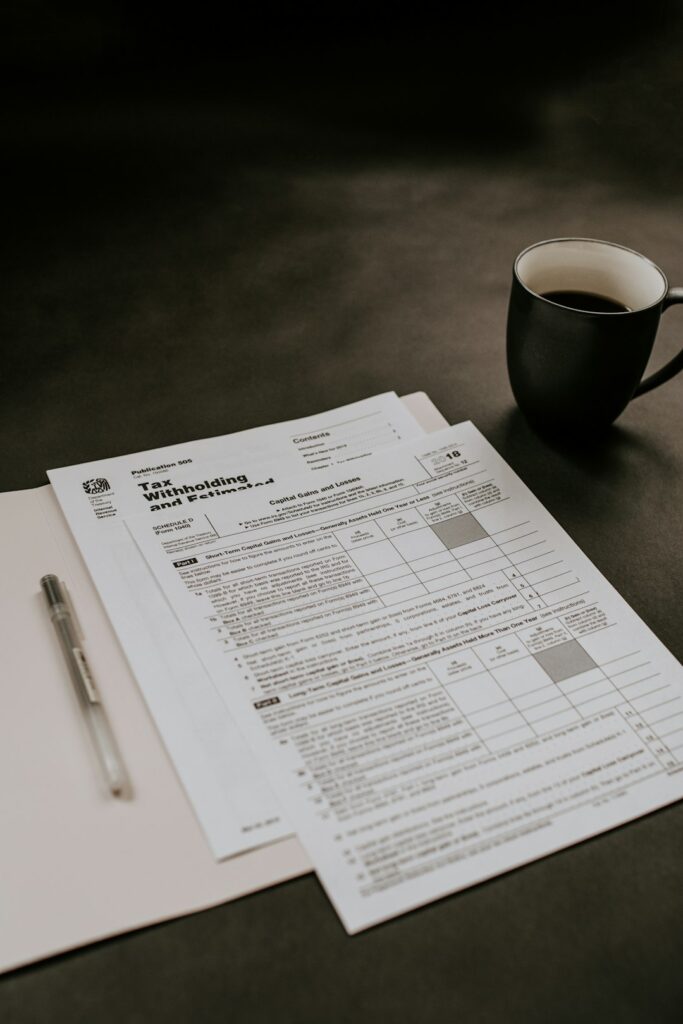
Why Does Organizing Tax Documents Matter for Local Residents?
Properly organizing documents ahead of tax season helps area households file accurately, reduces stress, and prevents scrambling for missing paperwork. Tax requirements don’t vary dramatically by region, but living in a community where many households own homes, commute locally, or manage various income sources can add extra steps to preparing for April.
What Documents Do Most Households Need?
Area households typically need records that show all sources of income, deductible expenses, and proof of specific tax-related transactions. These categories are useful for most local situations:
- W-2 forms from employers for wage and salary income
- 1099 forms (including 1099-NEC, 1099-MISC, and 1099-INT) for self-employed, freelance, or investment income
- 1098 forms for mortgage interest
- Property tax statements
- Retirement account and Social Security summaries if applicable
- Bank and investment account year-end statements
- Receipts for deductible expenses such as charitable gifts or medical costs
- Records of child care or dependent care expenses
- Documentation for state college savings plans
It’s common for taxpayers in this area to overlook certain bank interest forms, small charitable receipts, or digital statements. Double-checking for less obvious documents helps ensure nothing is missed.
Where Should Residents Store Tax Documents?
Physical and digital organization both work well, as long as the system fits the household’s habits. Residents should choose one spot—such as a dedicated folder, envelope, or secure drawer—for all incoming paper forms received between January and tax day. For digital documents, creating a clearly labeled folder on a home computer or secure cloud storage can streamline later access.
Local conditions like changing seasons or variable home humidity make waterproof or protected containers a smart choice if storing papers for several years. Digital backup is valuable if severe storms or minor floods are possible.
What Are Local Deadlines and Timelines?
Most employers, banks, and payers are required to mail W-2 and 1099 forms by the end of January. Tax filing itself is typically due by mid-April, with exact dates set each year. Residents who may qualify for state credits or deductions should factor in Indiana’s state filing deadlines, which are generally very close to the federal timeline.
Households receiving corrected or delayed forms should keep all versions; never throw out a “corrected” version or assume a late-arriving form doesn't matter.
How Can Families Track Deductions and Credits Throughout the Year?
Gathering supporting receipts and details as the year unfolds saves time in March and April. Simple methods include:
- Placing donation receipts, medical bills, and other deductible paperwork in a dedicated file immediately upon receipt
- Using a paper notebook or a simple spreadsheet to log relevant expenses as they occur (fuel for business use, education outlays, etc.)
- Reviewing monthly bank and credit card statements for missed deductions

For those with self-employment or farm income—a common scenario on the outskirts of the community—saving receipts for equipment, supply purchases, and mileage logs is especially crucial.
What Should Not Be Discarded Too Soon?
Some tax documents must be kept beyond filing season in case of audit or future questions:
- Federal and state income tax returns, plus all supporting documents, should be stored for at least three years
- Records related to the purchase or major improvement of property, such as closing statements or invoices
- Proof of retirement contributions and distributions
- Any papers related to income or deductions that may be questioned by tax authorities
Shredding sensitive documents after they’re no longer needed helps prevent identity theft, a risk even in smaller communities.
How Should Residents Handle Digital-Only Tax Forms?
Many financial institutions and employers now provide W-2s, 1099s, and bank interest forms electronically only. Download and save digital copies in a clearly marked folder, ideally with secure backup. Print hard copies if needed to attach to paper filings or for personal peace of mind. Double-check email spam folders in February to avoid missing e-delivered statements.
Are There Common Mistakes Area Residents Make with Tax Documents?
Misplacing forms, failing to update addresses after a local move, and accidentally discarding smaller statements are frequent issues. Forgetting to check all sources—such as employer-provided digital portals or savings accounts used sporadically—can lead to missed income declarations or deductions.
Setting a personal reminder for late January to look for all expected forms and storing them immediately reduces later headaches.
Where Can Area Residents Find Trusted Information About Changes?
Federal and Indiana state tax requirements can shift year to year. Local residents can stay current using official sources like IRS.gov or Indiana’s Department of Revenue website, which frequently publish updated guides and checklists. Libraries or public agencies sometimes provide free, up-to-date tax information packets each spring.