

 See My Latest Article on HelloNation
What Does the IRS Count as Taxable Income?
Any money, property, or service that a person in Franklin, IN receives and is not specifically exempted by law is considered taxable income. The purpose of classifying this broadly is to capture all gains that contribute to an individual’s ability to pay taxes. For local residents, both the source and form of income can affect whether it is taxable, so it helps to know how ordinary work pay, side jobs, government benefits, or even less common sources are treated for federal and state income taxes.
Are Wages and Salaries Always Taxable?
Yes—pay from an employer is generally always taxable. This includes hourly wages, annual salaries, bonuses, and tips residents might earn at local restaurants, retail jobs, or service positions. The IRS requires reporting of these earnings, and employers must withhold federal and state income taxes. In Franklin, local residents should keep these facts in mind:
- Overtime and holiday pay are taxed the same as regular pay.
- Tips over $20 per month are not only taxable but must be reported to your employer.
- Any non-cash compensation, such as gift cards from an employer, is also considered taxable.
What About Self-Employment and Side Income?
Money earned from freelance work, gig economy tasks, or running a small business in the area—even on a part-time basis—counts as taxable income. The IRS refers to this as self-employment income. Residents doing tasks like construction, lawn care, consulting, or home-based crafting need to include these earnings on their tax returns.
Rental income—collected from leasing out farmland, a spare room, or other local property—must also be reported. Allowable expenses, such as repairs or local property taxes paid, can offset the reportable income, but cannot be ignored altogether.
Are Social Security and Retirement Benefits Taxed?
Social Security received depends on total income but is sometimes taxable. If a retiree’s combined income exceeds certain thresholds, a portion of benefits may become subject to tax. Pensions, IRA withdrawals, and distributions from 401(k)s are usually taxable unless distributions come from a Roth account, which may be exempt.
Residents in the city who also receive disability payments, survivor benefits, or annuity payments may face taxation on some of these benefits depending on other household income and the specific program involved.
Which Government Payments Are Considered Taxable?
Unemployment benefits, including those received through the Indiana Department of Workforce Development, count as taxable income at the federal level (and may be taxed by the state as well). Pandemic relief payments varied in how they were treated, so check official notices for details if you received these.
Other payments that local residents sometimes overlook as taxable:
- Prizes, cash awards, or contest winnings—even if from community raffles or scholarships—are often taxable.
- Jury duty pay is taxable.
- Alimony received from divorces finalized before 2019 is taxable; newer settlements are not due to a law change.
What Does Not Count as Taxable Income?
There are some exceptions that routinely apply for area households:
- Child support payments received
- Life insurance benefits paid out after death
- Financial gifts below annual exclusion limits
- Most welfare benefits, such as SNAP (food stamps) or Temporary Assistance for Needy Families (TANF)
- Qualified municipal bond interest (often exempt at state level, too)

Vacation pay, sick leave payments, and commissions are all taxable, but true gifts, inheritances, and insurance payouts because of injury or death are typically not.
Can Non-Cash Items or Bartered Services Be Taxed?
Yes—taxable income is not limited to cash. If a local trades a service, such as car repairs in exchange for home-cooked meals, each participant is required to report the fair market value of what they received as income. This commonly applies for barter transactions in close-knit or rural communities.
Winning goods (like a car, electronics, or vacation) in a local contest, or receiving non-cash prizes, is also considered taxable, and the recipient must report the current fair market value. This can surprise people at tax time if they won something significant.
How Does Rental or Investment Income Fit In?
Money made from renting out property or earning dividends, capital gains, or interest from investments is taxable. This includes returns from stocks, bonds, mutual funds, and even some cryptocurrency transactions. Local landlords should separate taxable rental income from reimbursed expenses, such as utilities or repairs paid by tenants.
Certain investment gains from the sale of a primary home may be excluded up to a limit, but specific residency and ownership requirements must be met—review IRS rules closely if you sold property in the past year.
What Should Franklin, IN Residents Watch for Each Year?
Many local households overlook sporadic or unexpected sources of taxable income, such as:
- Payments from online sales of goods, if done regularly or for profit
- Forgiven debts (which can sometimes be counted as income)
- Reimbursements, honoraria, or speaking fees from school or civic groups
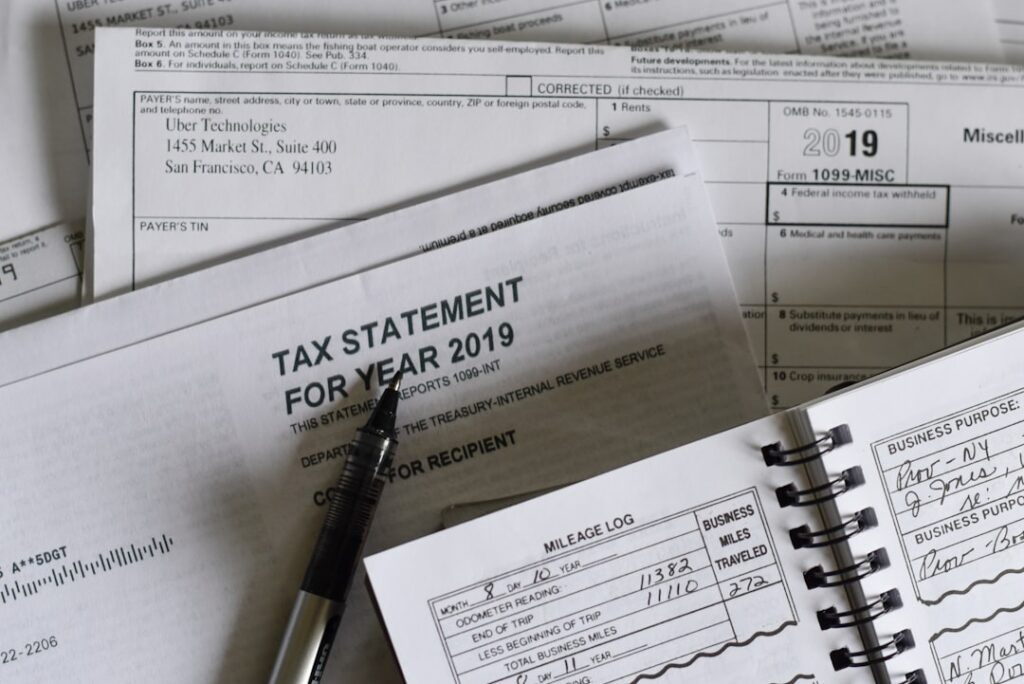
Residents benefit from keeping organized records and reviewing annual tax forms for sources of income that are easily missed. Pay attention to paperwork such as 1099s or year-end statements from financial institutions, gig work platforms, or other payers.